Banned for Being Too Good: 4 Players Who Beat the House (Then Got Kicked Out)
🕑 7 min read
🎥 Watch: Chip’s Files on the Players Who Beat the House
Fifty years around card tables taught me one thing the brochures never will: the house doesn’t mind you winning. A little. Now and then. What the house can’t stand is a man who wins too much, with a system, because he is simply better at the math than they are. Do that, and you learn the real rule of every casino on earth. You’re welcome right up until you’re good. Then you’re gone.
These are the players who beat the house with brains instead of luck, walked away with fortunes, and got shown the door for the crime of being too sharp. Not cheats with gadgets up their sleeves. Advantage players. People who found a legal edge and pressed it until the casino cried foul. Every number here is documented, in court records and the pages of serious newspapers, so you can check me. Let me introduce you.
Phil Ivey and the trick that won twenty million
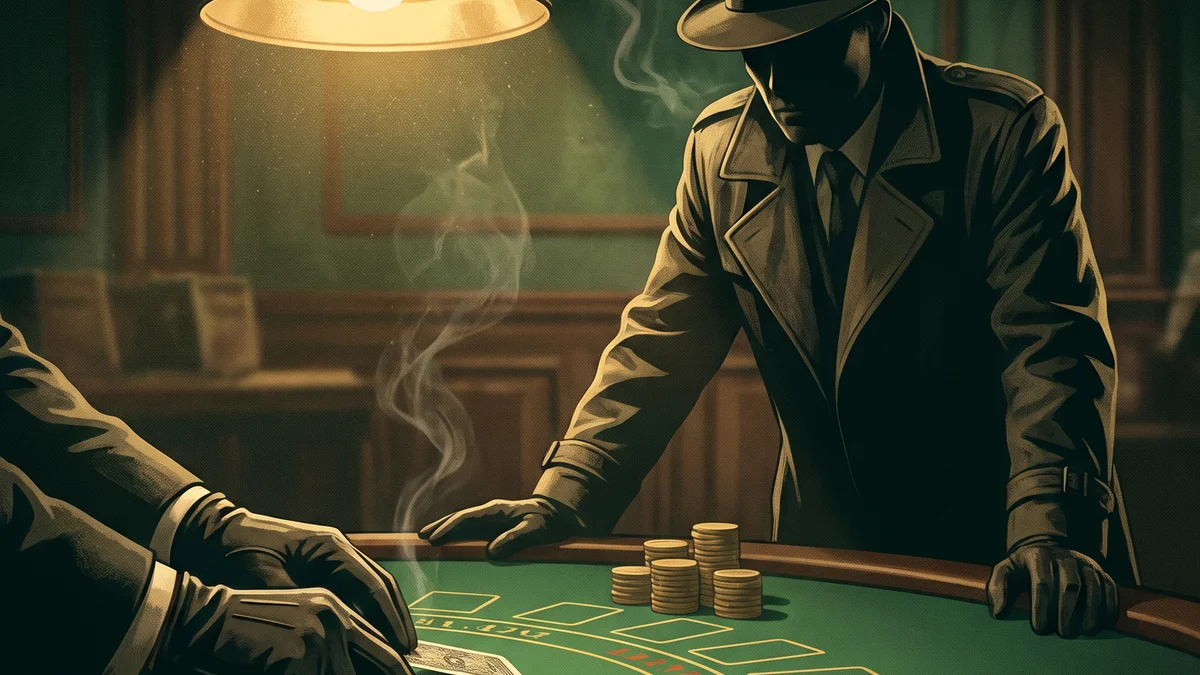
Phil Ivey is one of the best poker players who ever lived, but his most famous score came at the baccarat table, and it came from a technique with a lovely name. Edge sorting. The backs of some playing cards aren’t printed perfectly symmetrically. If you can get the dealer to rotate the high cards a half-turn, then reuse the same deck, you can read the tiny difference on the back and know whether the next card is good or bad before it’s turned over. That is not a gadget. That is eyesight and nerve.
Ivey and his partner Cheung Yin Sun charmed the casinos into cooperating, claiming superstition, asking politely for the cards to be turned “for luck.” At the Borgata in Atlantic City in 2012 they took the house for 9.6 million dollars. At Crockfords in London they won the equivalent of over ten million more. Then both casinos looked at the tapes and refused to let it stand.
Here is the part that still gets argued in poker rooms. The Borgata sued, and in 2016 a federal judge ruled that Ivey and Sun had committed no fraud, but had breached their contract with the casino, and ordered them to repay ten million dollars. Crockfords simply never paid, and when Ivey sued them, the English courts ran it all the way to the UK Supreme Court and ruled the edge sorting was cheating for the purposes of civil law. Same technique, two countries, and the man lost both times. Genius or cheat? The courts said cheat. The card players are still not so sure.
Don Johnson, the man who broke Atlantic City
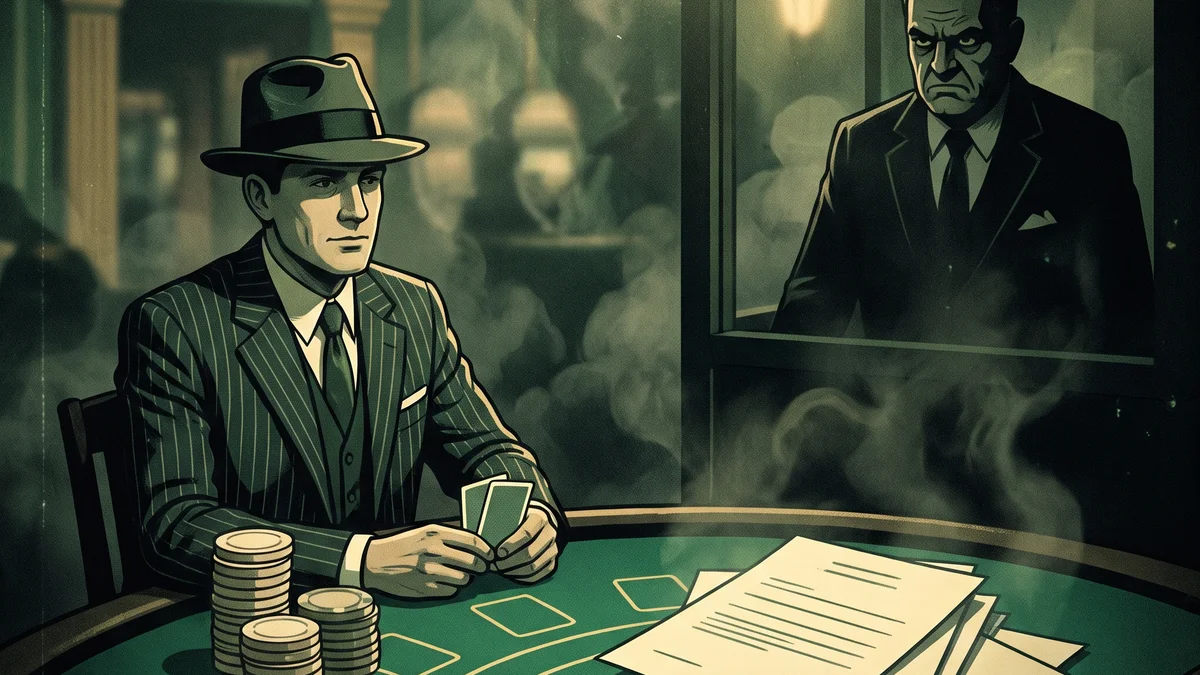
Now this one is my favourite, because Don Johnson did not sneak a single thing. He beat three casinos for fifteen million dollars in six months in 2011, and he did it in plain sight, at the front desk, before a single card was dealt. His weapon was a negotiation.
Atlantic City was hurting after the crash, desperate for high rollers, so Johnson sat down and asked for terms. He got them. A twenty percent rebate on any losing session over half a million dollars. Dealer stands on soft seventeen. Re-split aces. Hand him those rules at a high enough limit and the house edge doesn’t just shrink, it flips. The casino was now paying him to lose, and playing perfect basic strategy, he lost just often enough to bank the rebates and won the rest. Tropicana gave up nearly six million, the Borgata about five, Caesars around four.
Nobody arrested Don Johnson. There was nothing to arrest him for. They just quietly stopped offering him those terms, and Caesars showed him the door. The Atlantic ran a whole feature on him titled “The Man Who Broke Atlantic City.” His crime was reading the fine print better than the people who wrote it.
The MIT Blackjack Team turned counting into a company
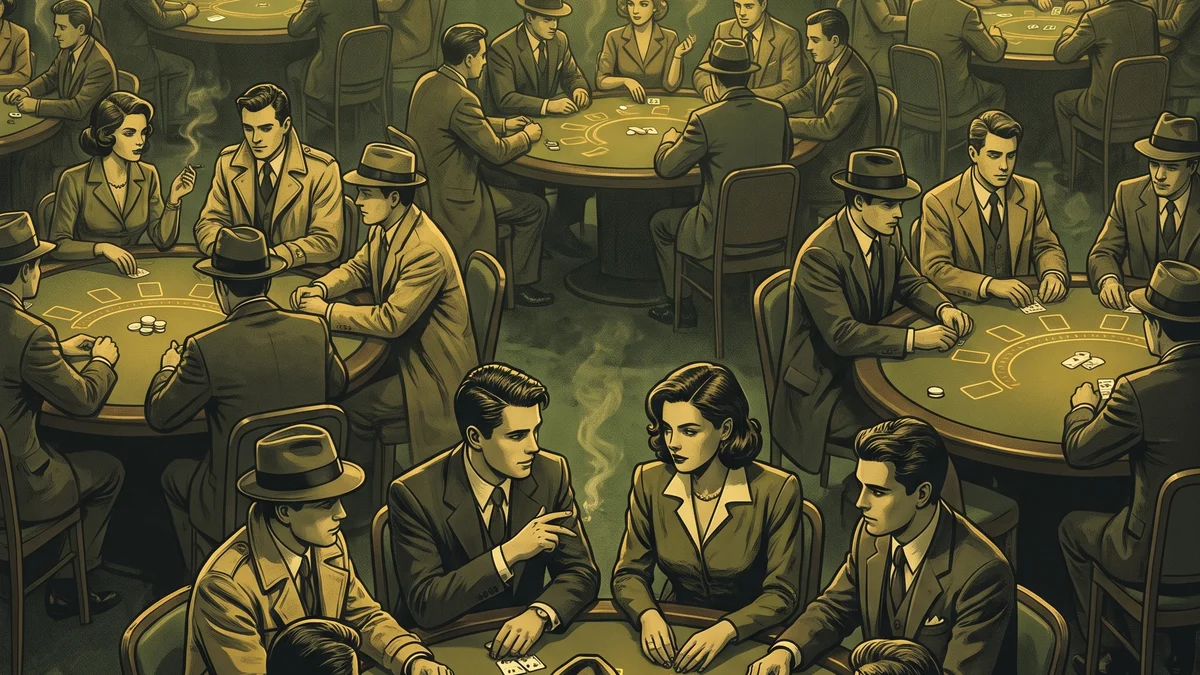
Card counting is not illegal. Let me say that again because the casinos would love you to believe otherwise. Keeping a running tally of the high and low cards in your head is just paying attention, and paying attention has never been a crime. Through the 1980s and 90s a rotating crew of sharp students out of MIT turned that attention into a full-blown business, with investors, bankrolls, and roles. Spotters counted quietly at low stakes and signalled a big player to swoop in only when the deck went hot.
They took millions off the strip, and the story got so big it became a bestselling book and a Hollywood movie. And still, none of it was against the law. What the casinos did was ban the faces, share the photographs, and change the game itself, shuffling earlier and adding decks until the edge a counter could squeeze out was barely worth the heat. That is the pattern you will notice by now. The house rarely calls the cops on a winner. It just makes sure the winner can’t win here again.
Ken Uston sued for the right to play
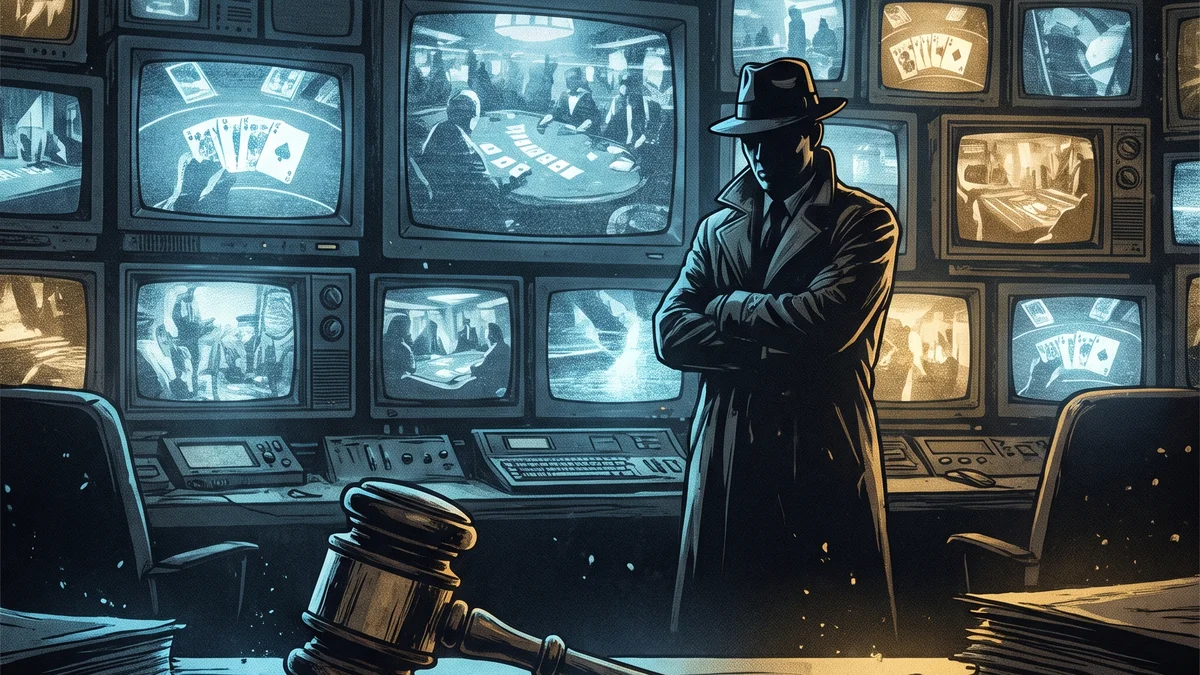
Ken Uston was a counter good enough to get himself barred from casinos all over the world, and instead of slinking off, he did something nobody expected. He sued. In 1982 the New Jersey Supreme Court agreed with him that an Atlantic City casino couldn’t simply throw out a skilled player for using his brain. For a moment the counters had won in the courtroom what they could never win at the table, the legal right to sit down.
The casinos, being casinos, found the loophole. If they couldn’t ban the counters, they would change the conditions instead, and the endless shuffling and multi-deck shoes you see today are the direct descendants of that ruling. You beat the house in court, the house rewrites the game. It always finds the door.
What happens to the sharp ones now
Don’t go thinking this is all old news from a smoky room. The modern casino remembers your face before you’ve reached the table. Facial recognition, shared databases passed between properties, betting-pattern software watching every shoe. A serious advantage player today doesn’t get dragged out by security for a scene. They get a polite tap on the shoulder, a “we would prefer you play something else,” and a note in a system every casino in the group can read. The back-off is quiet, and it’s final.
So here is Chip’s honest take, and it is the whole reason I run this site. The house tolerates you right up to the moment you become a real threat to its math, and not one second longer. That’s not a scandal, it’s the business model. The only place the maths is laid out in the open, where the house edge is published and the fairness of every hand can actually be checked by you, is a provably fair crypto casino. It won’t turn you into Phil Ivey. But at least there, nobody can quietly rewrite the game the moment you start winning. Play where the numbers are honest, and play like a man who expects to lose a little and enjoy a lot. That is the only edge most of us ever really get.
A word before you go
Every player in this story treated gambling as work, not a thrill, and even then the house had the last word. If the game ever stops being fun, that’s the moment to walk. Set a budget you can afford to lose and never chase it. Free, confidential help is there any hour of any day: call or text the National Problem Gambling Helpline at 1-800-MY-RESET. More on staying in control lives on our responsible gambling page.