
Crypto Exit Scams: The Founders Who Vanished With Billions
🕑 6 min read
🎥 Watch: Chip’s Files on the Biggest Crypto Vanishing Acts
I’ve watched every kind of cheat a casino floor can cook up. Loaded dice, marked cards, a croupier with a fast hand and a slow conscience. But in fifty years I never saw a scam move as much money as fast as the crypto exit. No gun, no getaway car. Just a website that stops loading one Tuesday morning, and a founder on a plane to somewhere with no extradition treaty. Here’s the thing nobody tells the new money pouring in: in crypto, the exit is not a bug. For some of these people it was the whole plan.
An exit scam is simple and old as the hills. You take deposits, you promise the moon, you build enough trust that people stop asking questions, and then one day you vanish with the float. The blockchain just made it faster and the numbers bigger. These are the biggest ones on record, all documented, all with court files or FBI wanted posters attached. Read them, then let me tell you what they mean for anyone gambling online with a coin.
OneCoin: the coin that never existed

OneCoin sold itself as the Bitcoin killer, and the woman running it toured the world in a ball gown promising a revolution. There was just one small problem. There was no blockchain. No coin. The whole thing ran on a spreadsheet the company controlled, and the price only ever went up because they said so. Investigators later put the take at four billion dollars, and some estimates run far higher.
In 2017, with the walls closing in, the founder boarded a flight and disappeared. Years later she is still gone, one of the very few women ever placed on the FBI Ten Most Wanted list. Her co-founder was caught and handed twenty years. She has never been found. That’s not a rug pull, that’s a magic trick, and the audience paid four billion for the ticket.
Thodex: the doors locked overnight

Thodex was a Turkish exchange with hundreds of thousands of ordinary customers. In April 2021 the site simply stopped letting anyone trade or withdraw, and within days the CEO was on a plane out of the country with something like two billion dollars of other people’s money. People who had put their life savings in woke up locked out.
This one has an ending, at least. He was tracked to Albania, arrested, and dragged back to face a Turkish court. The sentence they gave him is almost hard to type with a straight face: eleven thousand one hundred and ninety six years. A symbolic number meant to match the scale of the wreckage. He died in prison in 2025. The money mostly never came back.
QuadrigaCX: the man who took the password to his grave
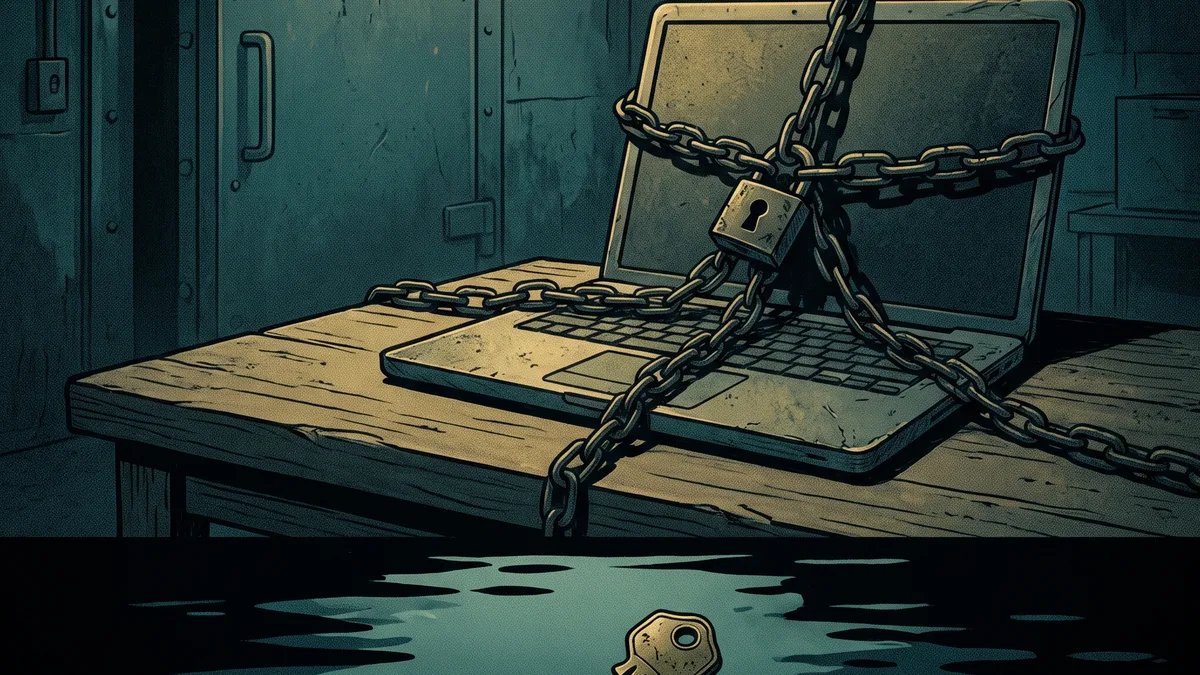
This is the strangest story in the whole rotten pile. QuadrigaCX was Canada’s biggest crypto exchange, run by a founder who, it turned out, kept the private keys to every customer wallet in his own head and on his own laptop. No backup. No partner with a spare copy. Just him.
In December 2018 he died suddenly on his honeymoon in India, and roughly a hundred and ninety million dollars in customer funds went into the ground with him, locked behind a password nobody else had. Tens of thousands of people never saw their money again. Auditors who dug into the wreckage later found the accounts had been a mess for years. Whether it was a tragedy or a cover story, the result was the same. The float was gone and the man who knew where was beyond asking.
FTX: the golden boy who gambled the customers’ money
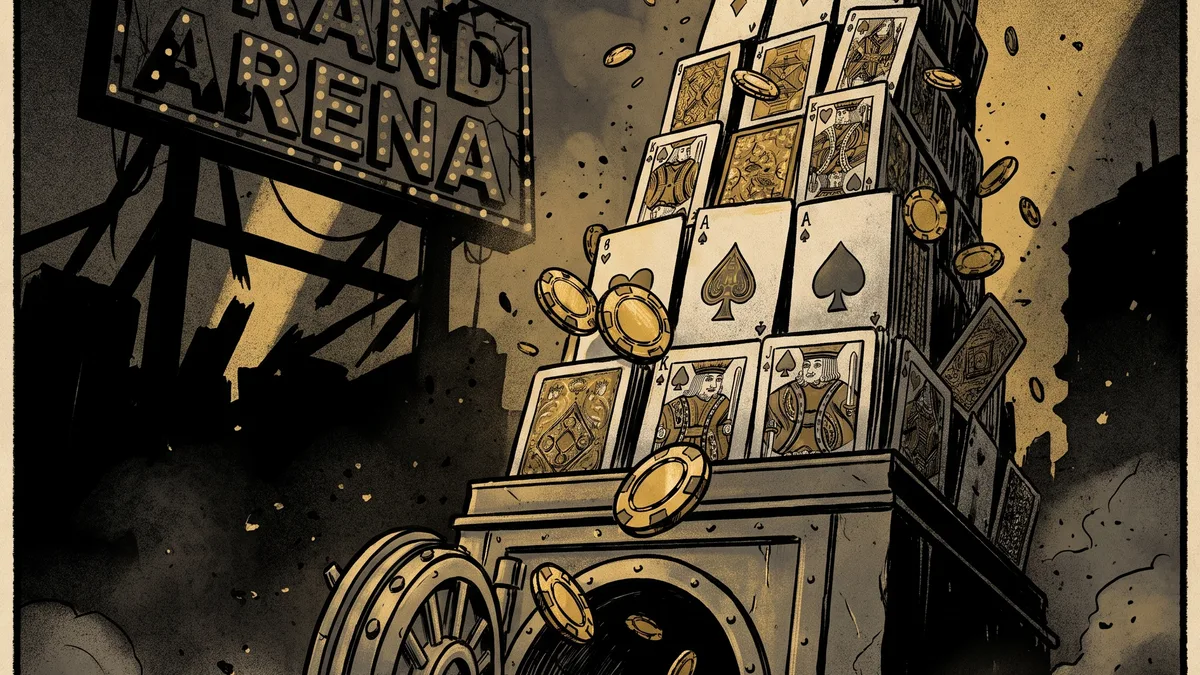
FTX was supposed to be the grown-up in the room. A slick exchange with celebrity ads, a stadium with its name on it, and a young founder the press could not stop calling a genius. Behind the curtain, customer deposits that were supposed to sit untouched were quietly being funneled to a sister trading firm and bet on the markets. When the markets turned and everyone tried to withdraw at once, the hole came to around eight billion dollars.
The difference here is that the law caught up fast. The golden boy was convicted of fraud in 2023 and sent to prison for twenty five years. Small comfort to the customers who learned the hard way that “your funds are safe with us” is a sentence, not a guarantee. When a platform holds your money and answers to nobody, you’re not an investor. You’re the float.
What this means when you gamble with crypto
Now here’s why an old casino man is telling you about exchanges. A crypto casino is a platform that holds your coin too, and the exact same trick works there. A shiny site appears, throws absurd bonuses at you, takes deposits for a few good months, and then the withdrawals start “pending” and the support chat goes quiet. Same play, smaller headline. I’ve watched a handful of these pop up and vanish without ever making the news.
So here’s Chip’s honest take. The scam is never the game itself, it is the custody. It’s who holds the money and whether anyone can check what they’re doing with it. That is the whole reason I keep banging on about a provably fair setup, where the fairness of every hand can be verified by you instead of taken on faith. It’s also why you never leave a balance sitting on any site longer than you have to. Deposit what you will play, cash out your winnings the same day, and treat any operator that drags its feet on a withdrawal as a fire alarm. Before you trust a single coin to a crypto casino, run it past the red flags every scam site shares. The house is allowed to have an edge. It’s not allowed to have your keys.
Before you chase the next big thing
Scam or not, the quickest way to lose money online is to bet more than you meant to. Set a budget before you deposit, cash out what you win, and if the fun ever turns into chasing, step away. Free, confidential help is there any hour of any day: call or text the National Problem Gambling Helpline at 1-800-MY-RESET, or read our guide to staying in control.