
The Biggest Gambling Losses in History
🕑 5 min read
🎥 Watch: Chip’s Files on the Biggest Losses in Casino History
Everybody who walks into a casino thinks about the win. The jackpot, the hot streak, the story you tell for the rest of your life. Nobody wants to think about the other side of that coin, the men who sat down at these tables with fortunes most people cannot picture and got up with nothing. But I have seen it, up close, more than once. The bigger the bankroll, the harder the fall, and the numbers on some of these are enough to make your stomach turn. These are the biggest documented losses in casino history, and every one of them is a lesson wearing an expensive suit.
Terrance Watanabe lost 127 million in a single year
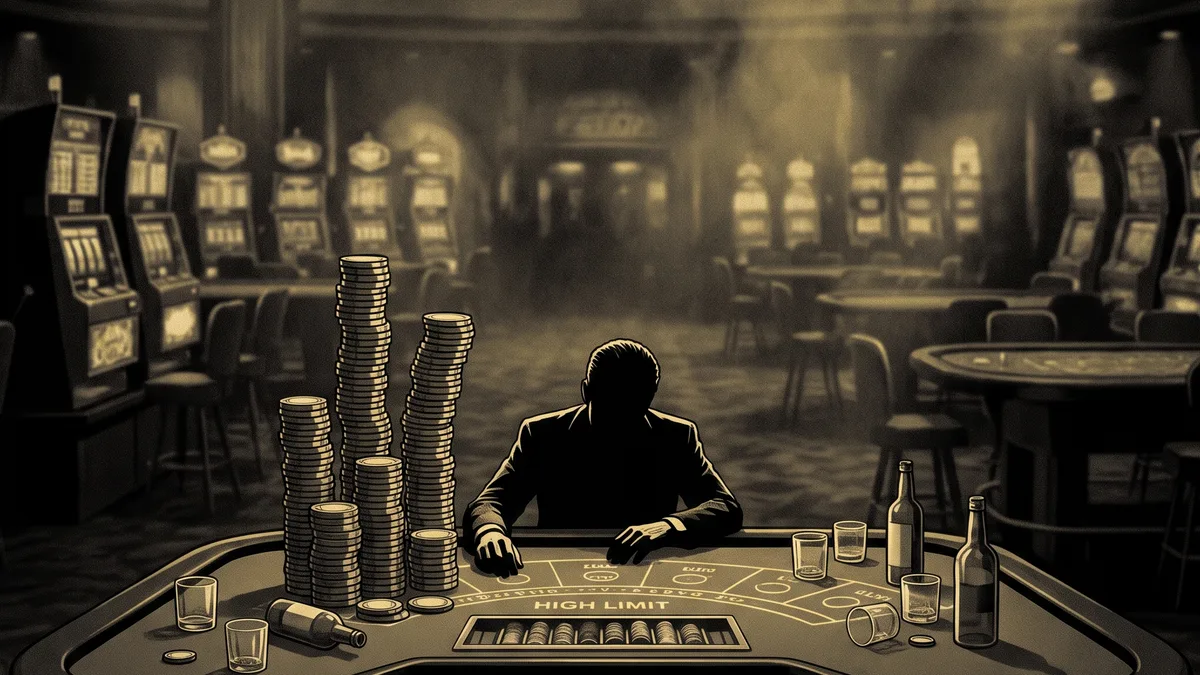
Here’s a number that doesn’t sound real. In 2007 a Nebraska businessman named Terrance Watanabe lost close to a hundred and twenty seven million dollars at two Las Vegas casinos, Caesars Palace and the Rio. Not over a lifetime. In one year. His losses that year were so enormous they came out to nearly six percent of the entire Las Vegas gaming revenue for the casino company that owned both floors. One man. Six percent.
What makes it uglier is how it ended. When the dust settled, the casino chased him for millions in unpaid markers, and Watanabe turned around and sued them right back, claiming they had kept him loaded with alcohol and painkillers to keep him betting while he was in no state to know what he was doing. The case was settled quietly and the terms sealed. Whatever the truth of it, the house had already won the only game that mattered.
Archie Karas turned 50 dollars into 40 million, then lost it all
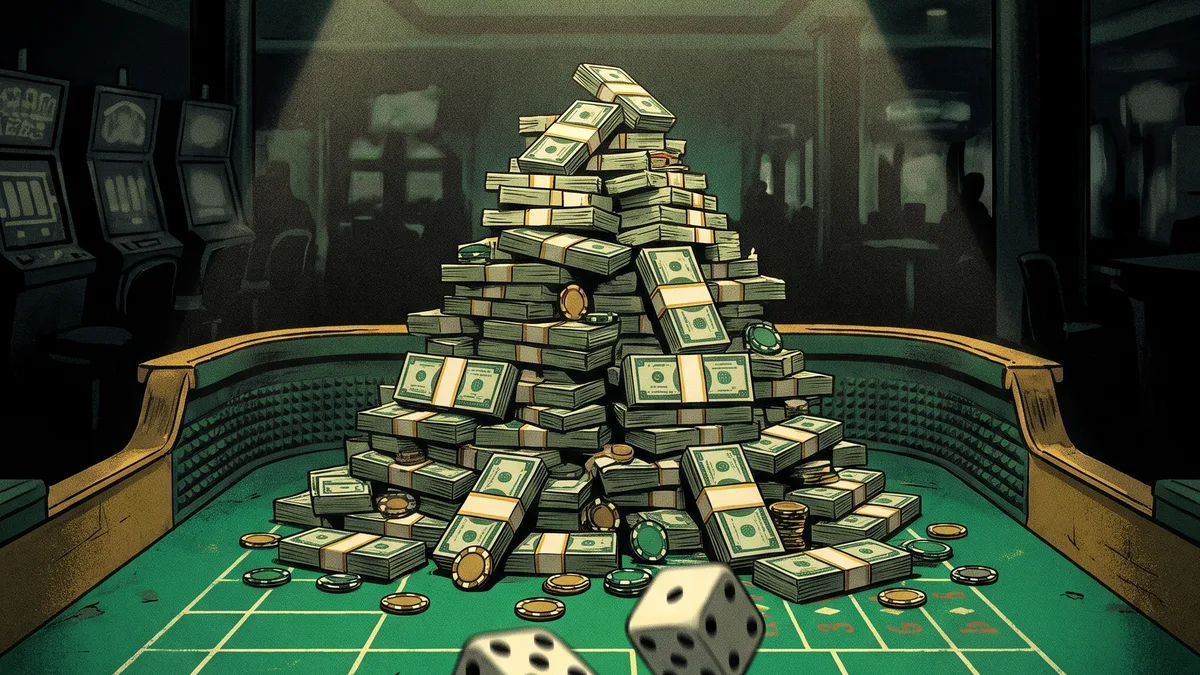
This one still gives me chills, because it’s the whole story of gambling packed into three years. They call it The Run. In 1992 a Greek immigrant named Archie Karas rolled into Las Vegas with fifty dollars in his pocket. Fifty. Over the next three years he ran that stake up through pool, poker and dice into something north of forty million dollars, one of the greatest hot streaks anybody has ever put together on a casino floor.
And then he gave it all back. Every cent. Dice and baccarat took the lot in a matter of months, and the man who had been the biggest action in town was broke again, right back where he started. The Run is the perfect casino story precisely because of how it ends. The tables giveth, and given enough time, the tables taketh all of it away.
Harry Kakavas wagered 1.5 billion and sued to get it back

Down in Australia, a property developer named Harry Kakavas turned over an almost cartoonish one and a half billion dollars at Melbourne’s Crown Casino across about fourteen months. His actual net loss landed around twenty million, which tells you just how much money has to flow through a whale’s hands to leave a hole that size.
Kakavas took Crown all the way to the High Court of Australia, arguing the casino had preyed on a known problem gambler, flying him in on the company jet and showering him with incentives to keep him at the tables. In 2013 the court ruled against him in a judgment that still echoes through gambling law. There is, the judges effectively said, no general duty on a casino to protect a gambler from himself. Read that line twice, because it’s the truth the whole industry is built on.
Even the billionaires bleed
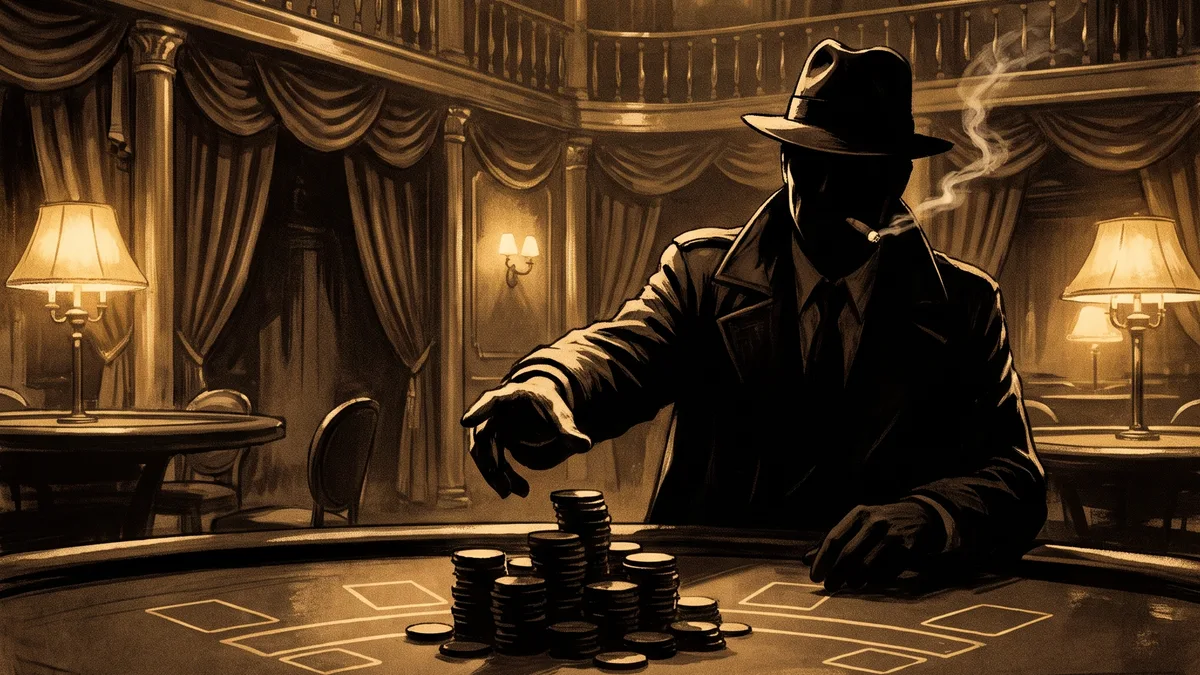
Don’t think for a second that a big enough fortune buys you a way out of the math. The late Australian media tycoon Kerry Packer was the most feared high roller of his era, a man who could win and lose tens of millions in a single sitting and tip a cocktail waitress enough to pay off her mortgage. The wins made the legend. The losses were just as real, and the house was delighted to have him either way.
One American basketball hall of famer has openly admitted to dropping something like ten million dollars over his gambling years, including a couple of million in a single night, and to his credit he never once blamed anybody but himself. That honesty is rarer than the money. Whether you’re a tycoon, an athlete or a tourist with a rent check, the edge does the same quiet work on all of you. It just takes longer to notice at the top.
The only lesson that matters
So here’s Chip’s honest take, and I want you to actually hear it. None of these men were stupid. They were rich, sharp, successful people, and the casino took them apart anyway, because the casino doesn’t need you to be foolish. It just needs you to keep playing. The house edge is small and patient, and time is the only thing it ever really needs. Every one of these stories is the same story at a different price.
The men in this piece could absorb a bad year that would end most of us. You can’t, and neither can I, so the rule is simple. Decide what you’re willing to lose before you sit down, treat it as the price of a night out, and when it’s gone, you’re done. No chasing, no “one more to get it back,” no markers you can’t cover. If the fun ever turns into a need, that’s the moment to stop and reach out. Free, confidential help is there any hour of any day: call or text the National Problem Gambling Helpline at 1-800-MY-RESET, or read our guide to staying in control. The house is patient. You don’t have to give it the time.