
Gambling Myths Debunked: 5 Lies the House Loves
🕑 9 min read
Last updated: June 2026
Last verified 4 months ago (21 June 2026)Gambling is built on a pile of myths, and believing them is exactly how the house likes you. No, a color isn’t due after a losing run. No, that slot machine isn’t hot or cold. No, a clever betting system can’t beat the math. I spent fifty years watching these beliefs empty wallets, so let me bust the five biggest gambling myths once and for all, and show you the cold truth hiding behind each one.
Here’s the thing about a gambling myth, friend. It isn’t a harmless bit of fun. Every one of these false beliefs makes you bet more, chase longer, and lose faster, which is precisely why they’ve survived so long. The house has no reason to correct you. So I will. Let’s take the five biggest ones out back, one at a time, and put them down for good.
Myth 1: After a run of red, black is “due”

This is the king of all gambling myths, and it has a name: the gambler’s fallacy. Red comes up five times in a row on the roulette wheel, and every instinct in your body screams that black is now overdue. So you pile your chips on black, certain the universe owes you. It does not. The wheel has no memory.
Here’s the cold truth: every single spin is completely independent. The ball doesn’t know or care what it did last time. After five reds, the odds of black on the next spin are exactly what they always were, a hair under half, same as red. The streak you’re staring at is just random noise, and betting against it is no smarter than betting with it. People have lost fortunes feeling “due”. You are never due. There is only the next independent spin, and the house edge baked into it. The real numbers behind that edge are in our US gambling statistics.
Myth 2: That machine is hot, cold, or due to pay

Watch a slot floor and you’ll see folks hovering, waiting for a machine that “hasn’t paid in a while”, convinced it’s ready to pop. Others swear a machine is on a hot streak and ride it hard. Both are chasing a ghost. A modern slot runs on a random number generator, a chip that picks a fresh, independent result every single spin, thousands of times a second.
That machine has no idea whether it paid out two minutes ago or two days ago. It is never “due”, never hot, never cold. Each spin is its own roll of the dice, with the same fixed odds as the last. A machine that just paid a jackpot is exactly as likely to pay again on the next spin as one that’s been quiet all night. The streaks you see are random clumps, nothing more. Learn how the underlying numbers actually work in our RTP explained guide.
Myth 3: A betting system can beat the house

Ah, the betting system, the gambler’s favorite fairy tale. The most famous is the Martingale: double your bet after every loss, so the first win claws back everything plus a little profit. On paper it looks bulletproof. In the real world, it’s a trap with a slow fuse.
No system can beat a casino game, because no amount of bet-shuffling changes the house edge built into every wager. The Martingale fails for two brutal reasons: a losing streak, which happens far more often than people think, makes your bets explode to terrifying sizes, and the table has a maximum bet that stops you doubling before you recover. So you risk a huge pile to win a tiny one, and one bad run wipes out a hundred small wins. Real money management is the opposite of this, and we cover it properly in our bankroll management guide.
Myth 4: I’m playing with the casino’s money now

You win a nice pot early, and a little voice says, “Anything I bet now is the casino’s money, so who cares if I lose it.” That voice is your worst enemy at the table, and it’s flat wrong. The moment those winnings hit your stack, they are your money, every chip of it. The casino gave up its claim the second it paid you.
This myth is pure psychology, and a dangerous one. Treating your winnings as not-quite-real makes you reckless, betting bigger and looser than you ever would with the cash in your pocket. That’s exactly how a good night turns into a break-even night turns into a loss. The trick is simple: the instant you win it, it’s yours. Pocket some, respect all of it, and never bet a chip you wouldn’t bet if it were a folded note in your wallet.
🎲 Chip’s Vegas
I worked the roulette wheel at the Stardust for years, friend, and I watched the gambler’s fallacy ruin more men than whisky ever did. There was a regular, a sweet fella, who kept a little notebook of every number that hit, certain he was tracking which ones were “sleeping” and due to wake up. He’d bet them heavy. Some nights the wheel obliged and he’d crow about his system. Most nights it didn’t, and that notebook just helped him lose with confidence. I never had the heart to tell him the wheel couldn’t read his book. Forty years on, I’d say it plain: the wheel has no memory, no conscience, and no debt to you. It never did.
Myth 5: A near-miss means I’m close to winning
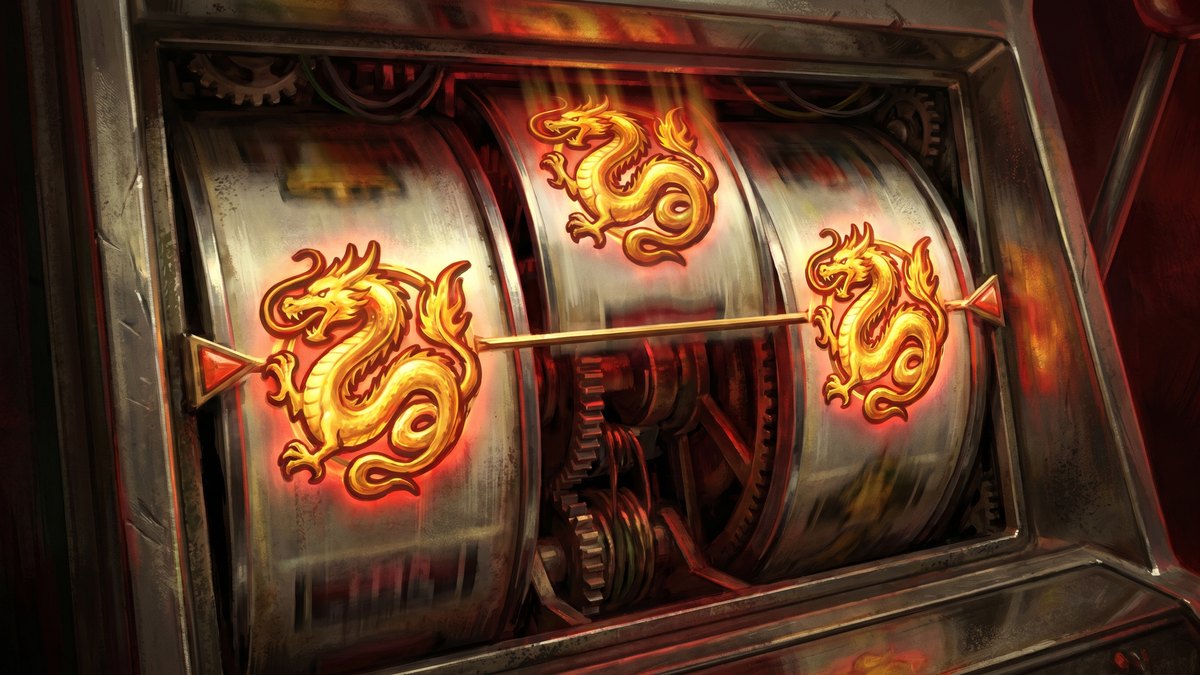
Two jackpot symbols land on the line, and the third stops just one space above it. So close. Your heart jumps, and you feel the big win is right around the corner, so you keep spinning. Here’s the ugly secret: that near-miss was very likely designed to feel that way. Slot makers know a near-miss lights up your brain almost like a real win, and keeps you playing.
But a near-miss is not a near-win. It’s a loss, dressed up to look like progress. Because every spin is independent, landing one symbol short brings you not one inch closer to a jackpot on the next go. The odds reset completely. That “so close” feeling is a manufactured illusion, one of many the floor uses on you, and we pull apart the rest in our how casinos trick you piece.
The one truth behind all of them
Notice what every one of these myths has in common. They all whisper the same sweet lie: that you have some control, some pattern, some edge over a game that is built, down to the last screw, to take your money slowly and certainly. The “due” color, the “hot” machine, the clever system, the house money, the near-miss, all of them exist to keep you betting past the point where sense would tell you to stop.
The real truth is unglamorous and freeing: in games of pure chance, you cannot beat the house edge, and nothing you believe or do at the machine changes the odds of the next result. Once you accept that, you can finally enjoy gambling for what it honestly is, paid entertainment, and budget for it like any other night out. For exactly how steep that edge is on each game, see our casino games by house edge guide, and if it ever stops being fun, our responsible gambling hub is right there.
Frequently asked questions
What is the gambler’s fallacy?
The gambler’s fallacy is the false belief that past results affect future ones in a game of chance, like thinking black is “due” after a run of red on roulette. In reality, each spin is independent and the odds reset every time. The wheel has no memory, so no result is ever overdue.
Are slot machines ever due to pay out?
No. Slot machines use a random number generator that produces an independent result on every spin, so a machine is never “due”, hot, or cold. One that just paid a jackpot has the same odds on the next spin as one that’s been quiet all night. Any streak you notice is just random chance.
Do betting systems like the Martingale work?
No. No betting system can beat the house edge built into a casino game. The Martingale, doubling after each loss, fails because a normal losing streak makes your bets explode past the table limit or your bankroll, wiping out many small wins in one go. It rearranges risk, it doesn’t remove the edge.
Is it bad to play with “house money”?
The phrase itself is the problem. Once you win money, it’s yours, not the casino’s, and treating it as disposable makes you bet recklessly and give it all back. Respect your winnings exactly like the cash in your wallet, pocket some, and never bet a chip you wouldn’t bet as real money.
Related ChipReign pages
- How casinos trick you: the rest of the illusions
- Casino games by house edge: the real odds, game by game
- Bankroll management: the only system that helps
- RTP explained: how the numbers really work
- More from the ChipReign blog
- Responsible gambling hub: free, confidential help
ChipReign reviews casinos and the games they carry with our own hands-on testing. We don’t accept payment to change a ranking. The order you read is the order they earned.
ChipReign publishes content for adults aged 18+ (21+ in certain US jurisdictions). If you or someone you know is struggling with gambling, free and confidential help is available: National Problem Gambling Helpline (US) 1-800-MY-RESET; GamCare (UK) 0808 8020 133; Gambling Help Online (Australia) 1800 858 858.
More Casino Basics

Stablecoin Gambling Explained: USDT, USDC and Why Players Use Them
Stablecoin gambling explained: why USDT and USDC keep your bankroll steady, how networks and fees work, the real…
The Lottery Curse: Winners Who Lost Everything
Jackpot winners who hit hundreds of millions and ended up bankrupt, robbed, even murdered. Chip on the lottery…
Stu Ungar: The Rise and Fall of Gambling’s Greatest Genius
Stu Ungar won the WSOP Main Event three times and was the best gin player ever, then gambled…