How Sweepstakes Casinos Make Billions and Stay Legal
🕑 5 min read
🎥 Watch: Chip’s Files on How Sweeps Make Their Billions
Somebody always asks me the same thing about sweepstakes casinos. Chip, if I can play real slot machines for free and cash out real money, where’s the catch, and how are these places worth billions? It’s a fair question, and the answer is one of the cleverest legal magic tricks I’ve ever seen the gambling world pull off. Once you see how it works, you can’t unsee it, and you’ll play a lot smarter. So let me pull back the curtain.
The whole trick is two different coins
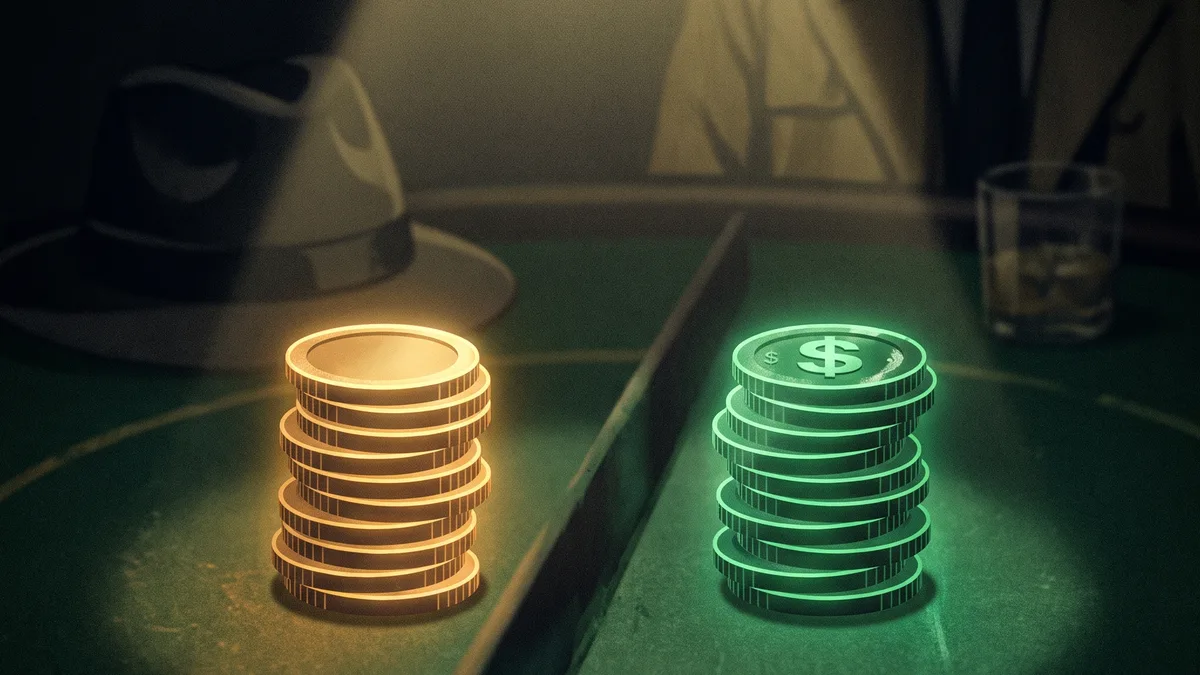
Every sweepstakes casino runs on two currencies, and understanding the difference is understanding the entire business. The first is Gold Coins. You play with them for fun, and they’re worth exactly nothing. You can’t cash them out, ever. They’re just points in a game.
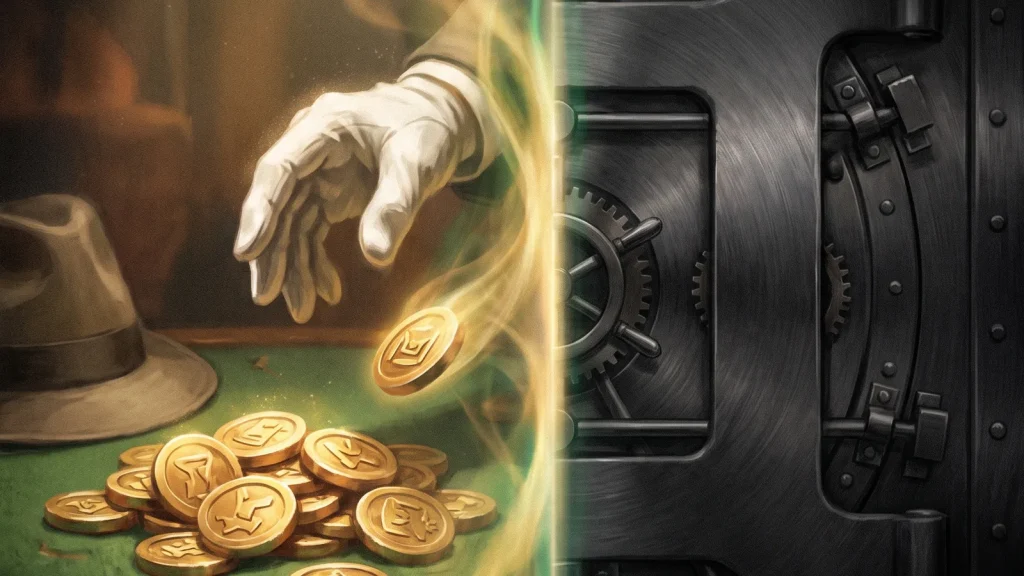
The second coin is the clever one. It goes by names like Sweeps Coins, and this is the one that turns back into real cash once you’ve played it through. Here’s the part that matters. You are never allowed to simply buy the cash coins. What you actually buy are packages of the worthless Gold Coins, and the valuable Sweeps Coins are handed to you free, as a bonus, on top of your purchase. Hold onto that word free, because it’s doing an enormous amount of heavy lifting.
Two magic words: no purchase necessary

In American law, something only counts as gambling if it has three ingredients: a prize, chance, and what the lawyers call consideration, meaning you had to pay to play. Sweepstakes casinos happily give you the prize and the chance. What they carefully remove is the paying. Because you can always get those Sweeps Coins without spending a dime, through a free daily login, a social post, or an actual mail-in request, they can argue you never had to pay for a shot at the prize.
That’s the “no purchase necessary” line you see in the fine print of every soda-cup sweepstakes, borrowed and bolted onto a casino. It’s the same legal principle that lets a burger chain run a Monopoly game. On paper you’re buying Gold Coins for entertainment and getting free entries into a sweepstakes. In practice you’re playing slots. That gap between paper and practice is the whole industry.
So where do the billions come from?

Now the money. The model is simple once you get the coins. The site sells you Gold Coin packages, sweetens each one with free Sweeps Coins, pays out a slice of those Sweeps Coins to winners, and keeps the rest. The gap between what comes in on Gold Coin sales and what goes out in cash redemptions is the profit, and at scale that gap is a canyon.
How big? American players poured somewhere north of ten billion dollars into these Gold Coin packages in a single recent year. One company alone, the group behind several of the biggest names, reportedly pulled in over five billion dollars. These aren’t scrappy little apps. This is a business rivalling the entire regulated online casino market, built quietly in the legal grey zone while everyone was arguing about sports betting.
It still runs on whales

Here’s the detail that gives the game away. Only about one player in eight ever spends a single cent. The overwhelming majority genuinely do play for free forever, exactly as advertised. So who pays for all of it? A small pool of heavy spenders, the same whales that carry a real casino, dropping hundreds or thousands chasing that next big Sweeps Coin balance.
That tells you everything about who these sites are really built for. The free player is the audience. The whale is the customer. And the entire cheerful, colourful, “just for fun” design exists to gently walk as many of that free audience as possible toward becoming a paying whale. It’s a real-money casino wearing a party hat.
The catch, and where it’s cracking
So here’s Chip’s honest take. The sweepstakes model is genuinely, provably free to play, and that’s rare and worth something. If you enjoy the games and never spend, you’re getting a real casino experience for nothing, and good luck to you. The danger is the moment you start buying Gold Coin packages to keep a Sweeps Coin balance alive, because that is the instant “free entertainment” becomes ordinary gambling, with all the same math working against you.
And the loophole is tightening. Roughly nine states, including big ones like California, New York and New Jersey, have moved to ban or restrict the dual-coin model, with regulators sending cease-and-desist orders and lawmakers writing new rules. The legal grey zone that let this whole thing bloom is going grey no longer in a growing list of places. Play it for what it honestly is: a free game that’s fun until you open your wallet. Know which coin is which, treat any purchase as money spent for good, and if the chase ever stops being fun, step away. Free, confidential help is there any hour of any day at the National Problem Gambling Helpline, 1-800-MY-RESET, and there’s more on staying in control on our responsible gambling page.