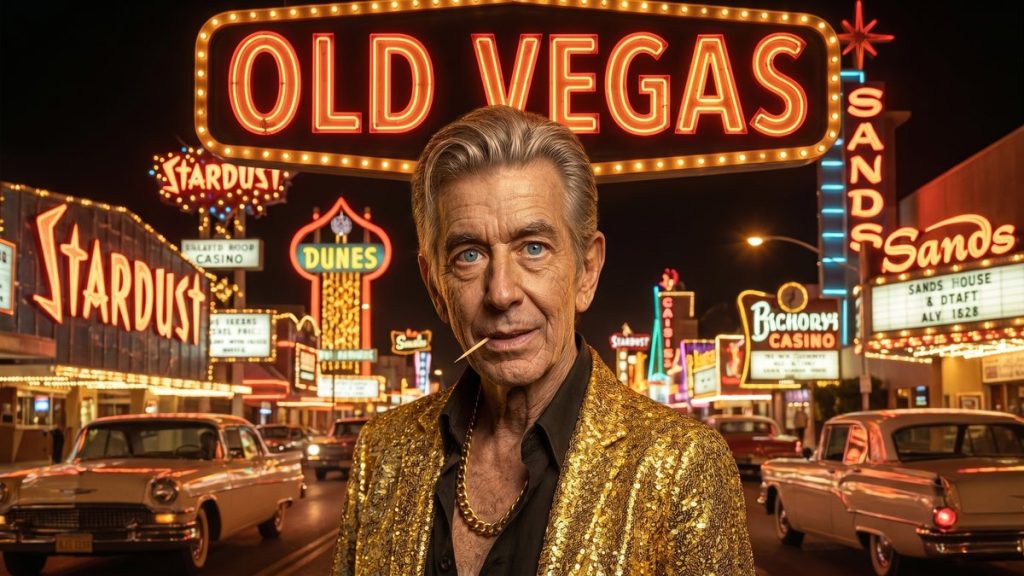
How the Mob Built Las Vegas: The Real Story
🕑 9 min read
Last updated: June 2026
Last verified 4 months ago (9 June 2026)Before the corporations and the theme-park megaresorts, Las Vegas belonged to the mob, and I came up on the tail end of their reign. From Bugsy Siegel building the Flamingo and getting shot for his trouble, to the secret skim that fed millions in untaxed cash to the bosses back east, to the billionaire recluse who finally bought them out, here is the real story of how the mob built Las Vegas, told by a man who dealt cards on those very floors.
People romanticise the old Vegas, and I understand why, I lived a slice of it. But let me tell it to you straight, neither glorifying it nor scrubbing it clean. The men who built this town were gangsters, and they ran it with charm out front and menace in the back room. It’s a hell of a story, equal parts glamour and blood, and it explains why the city you visit today is shaped the way it is. So let’s go back to the beginning, out in the desert, with a dreamer and a gun.
Bugsy Siegel and the Flamingo
The legend starts with Benjamin “Bugsy” Siegel, a charismatic and violent New York mobster who looked at a dusty highway stop in 1946 and saw the future. With mob money behind him, Siegel built the Flamingo, a glamorous, air-conditioned luxury resort unlike anything the desert had seen, betting that Hollywood glitz could turn gambling into a destination for the whole country.
He was right, eventually, but he didn’t live to see it. The Flamingo ran wildly over budget, the bosses who’d funded it suspected Siegel and his girl were skimming the construction money, and in June 1947 he was shot dead in Beverly Hills. The killing was never officially solved, and within minutes of his death, mob associates walked into the Flamingo and took control. Bugsy died, but his idea, the luxury Strip resort, became the blueprint for everything that followed.
The skim: how the money really moved
Here’s the engine of the whole mob era, and the thing the movies got dead right. The casinos made their real fortune for the mob not at the tables, but in the count room, through a practice called the skim. Before the day’s cash was ever counted for the taxman, a slice was quietly lifted off the top, untaxed, untraceable, and carried in suitcases back to the crime families that secretly owned the place.
This was the genius and the crime of it. A casino is a river of cash, and if you take your cut before anyone official counts it, the money simply never existed. Millions vanished this way, year after year, funding mob operations across the country. The skim is exactly what our piece on the biggest casino heists ever can’t quite match, because this wasn’t a robbery, it was the business model. The house was robbing itself on behalf of its hidden owners.
The Teamsters: the bank that built the Strip
Now, a fair question: if the owners were gangsters, who lent them the money to build these palaces? No respectable bank would touch a casino in those days. The answer is one of the most important in Vegas history: the Teamsters Union Pension Fund, steered by Jimmy Hoffa and his associates.
That fund, full of honest truckers’ retirement savings, poured tens of millions into building and expanding Strip casinos when no one else would lend a dime. Caesars Palace, the Stardust, and others rose on Teamster loans. It was the financial bloodstream of mob-era Vegas: union money, mob influence, and a desert full of cash machines. Without that pipeline, the Strip as we know it simply would not have been built.
The Stardust and the real “Casino”
If you’ve seen the film Casino, you already know this chapter, even if you didn’t realize it was true. The movie’s Tangiers is really the Stardust, and the story is barely fictionalised. Through the 1970s, the Stardust was secretly controlled by the Chicago Outfit, run day to day by a brilliant oddsmaker named Frank “Lefty” Rosenthal, with a terrifying enforcer named Tony “the Ant” Spilotro watching the streets.
The Stardust ran one of the largest skims ever uncovered, and when it all unravelled in the early 1980s, the federal investigations finally broke the mob’s grip on the city. This is the era I worked, friend, and I’ll tell you, the film softened it if anything. For more on that legendary, vanished casino, see our Stardust story, including the cashier who walked out with half a million and was never seen again.
🎲 Chip’s Vegas
I dealt on those floors in the late seventies, when the old way was dying but not yet dead, and let me tell you what nobody puts in the movies: how normal it felt. The bosses were polite. They knew your name, asked after your family, slipped you a hundred at Christmas. The violence lived somewhere else, out in the desert, in rooms you never saw. On the floor, it was all warmth and showgirls and Sinatra on a Saturday night. You learned fast not to ask certain questions, not to notice certain men carrying certain bags toward the count room. You kept your head down, dealt your cards, and took the best tips in America. I’m not proud of looking away, friend. But I was young, the money was real, and that was the deal this town offered. The glamour out front was always paid for by something darker in the back.
Howard Hughes and the corporate takeover
The mob’s reign ended not with a shootout, but with a strange, reclusive billionaire and a change in the law. In 1966, Howard Hughes moved into the Desert Inn, refused to leave, and simply bought the place. Then he bought another, and another, spending hundreds of millions snapping up Strip casinos. A legitimate, if eccentric, billionaire owner gave Nevada the respectable face it badly wanted.
The real death blow came in 1969, when Nevada passed the Corporate Gaming Act, finally allowing publicly traded companies to own casinos. Suddenly the big, clean corporate money could come in, banks would lend, and the hidden mob owners with their suitcases of skimmed cash couldn’t compete with shareholders and federal scrutiny. Through the 1980s, the investigations and the corporations together pushed the old families out for good. The town I’d come up in was being replaced by the one you visit today.
What the mob left behind
So what remains of all that? Almost every old mob joint has been imploded and replaced by a gleaming corporate megaresort. The Flamingo still carries Bugsy’s name, the only real monument left. But the deeper legacy is everywhere, because the mob invented the modern casino: the luxury resort, the comped suites, the showroom headliners, the whole idea of selling a glamorous experience wrapped around a gambling floor. Today’s spotless corporate Vegas is built on the blueprint a gangster drew in the sand.
And here’s the part that should stay with you. The owners changed from gangsters to shareholders, but the fundamental machine did not. A casino is still a beautifully designed device for separating you from your money, slowly and certainly, with a built-in edge on every game. The mob understood that math perfectly, and so do the corporations who replaced them. For how that edge actually works on you today, read our casino games by house edge guide and our how casinos trick you piece.
Frequently asked questions
Did the mob really build Las Vegas?
Largely, yes. Organized crime financed and secretly owned many early Strip casinos, starting with Bugsy Siegel’s Flamingo in 1946, using mob money and Teamsters Union pension loans. The mob ran Vegas for decades, profiting through the skim, until federal investigations and the 1969 Corporate Gaming Act pushed them out in favor of corporate owners.
What was the casino “skim”?
The skim was the mob’s practice of secretly removing a portion of a casino’s cash in the count room before it was officially counted and taxed. This untaxed, untraceable money was carried back to the crime families who secretly owned the casino. It was the central way the mob profited from Las Vegas, and it inspired the film Casino.
How did the mob lose control of Las Vegas?
Two forces ended the mob era. Billionaire Howard Hughes began buying Strip casinos in 1966, giving the industry a legitimate face, and the 1969 Corporate Gaming Act let public companies own casinos, bringing in clean corporate money. Through the 1980s, federal investigations into skimming, like the Stardust case, finished the job.
Is the movie Casino based on a true story?
Yes, very closely. Casino is based on the real story of the Stardust, secretly run for the Chicago Outfit by oddsmaker Frank “Lefty” Rosenthal, with enforcer Tony Spilotro. The film’s Tangiers is the Stardust in all but name, and the skimming operation it depicts led to the real federal cases that helped end the mob’s control of Vegas.
Related ChipReign pages
- Biggest casino heists ever: more Vegas history, including the Stardust
- Best casino movies ranked: why Casino tops the list
- How casinos trick you: the machine the mob perfected
- Casino games by house edge: the edge that never changed
- More from the ChipReign blog
- Responsible gambling hub: free, confidential help
ChipReign reviews casinos and the games they carry with our own hands-on testing. We don’t accept payment to change a ranking. The order you read is the order they earned.
ChipReign publishes content for adults aged 18+ (21+ in certain US jurisdictions). If you or someone you know is struggling with gambling, free and confidential help is available: National Problem Gambling Helpline (US) 1-800-MY-RESET; GamCare (UK) 0808 8020 133; Gambling Help Online (Australia) 1800 858 858.
More Casino Basics

Is Plinko Rigged? Plinko Odds, RTP and Provably Fair Explained
Is Plinko rigged? Not the honest games. Chip explains how Plinko odds and RTP really work, how to…

Famous Gambling Cities Beyond Vegas
Macau dwarfs the Vegas Strip, Monte Carlo defines glamour, plus Atlantic City, Singapore and London: the great gambling…
How Much Americans Really Lose Gambling (2026 Data)
Americans lose $120 billion a year to legal gambling: the national total, the biggest states, the online surge,…