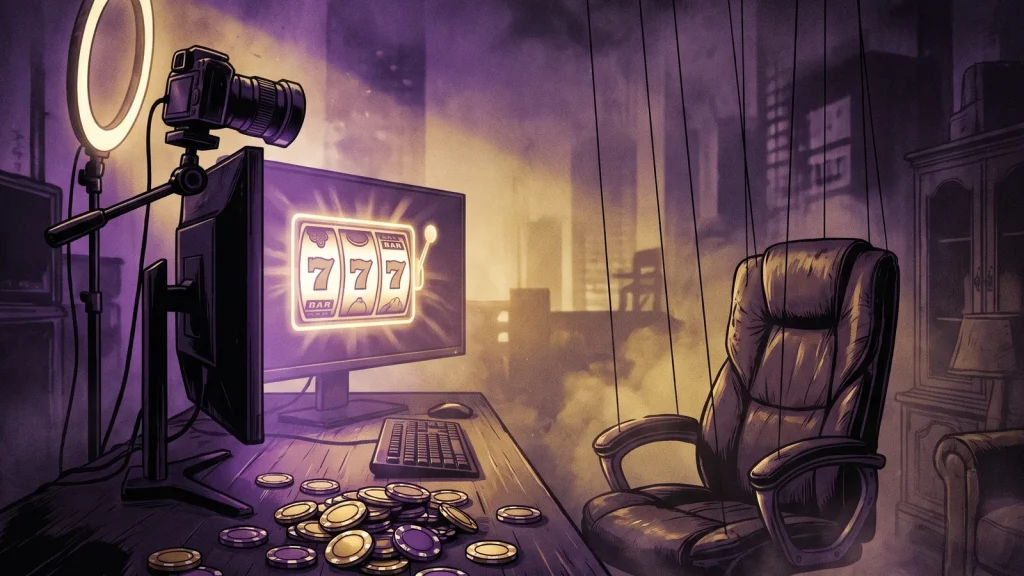
The Twitch Gambling Grift: How Streamers Get Paid to Sell You a Slot Machine
🕑 5 min read
🎥 Watch: Chip’s Files on the Twitch Gambling Grift
In my day the hustle happened at the table. A slick dealer, a rigged wheel, a shill in the crowd cheering you on to bet bigger. It was up close and you could smell it. Today the slickest gambling hustle on earth doesn’t happen on a casino floor at all. It happens on a screen, in a bedroom lit by LED strips, dressed up as your favourite streamer just having a good time. And it has pulled more money out of more young pockets than any pit boss I ever knew.
I’m talking about the gambling streamer boom, where charming personalities play slots live for an audience of millions, mostly young, often broke, and almost always missing the fine print. It looks like harmless fun. Underneath, it’s one of the most effective advertising machines ever built, and a few of the stories behind it are genuinely ugly. Let me walk you through how the trick works.
They’re playing with the house’s money, literally
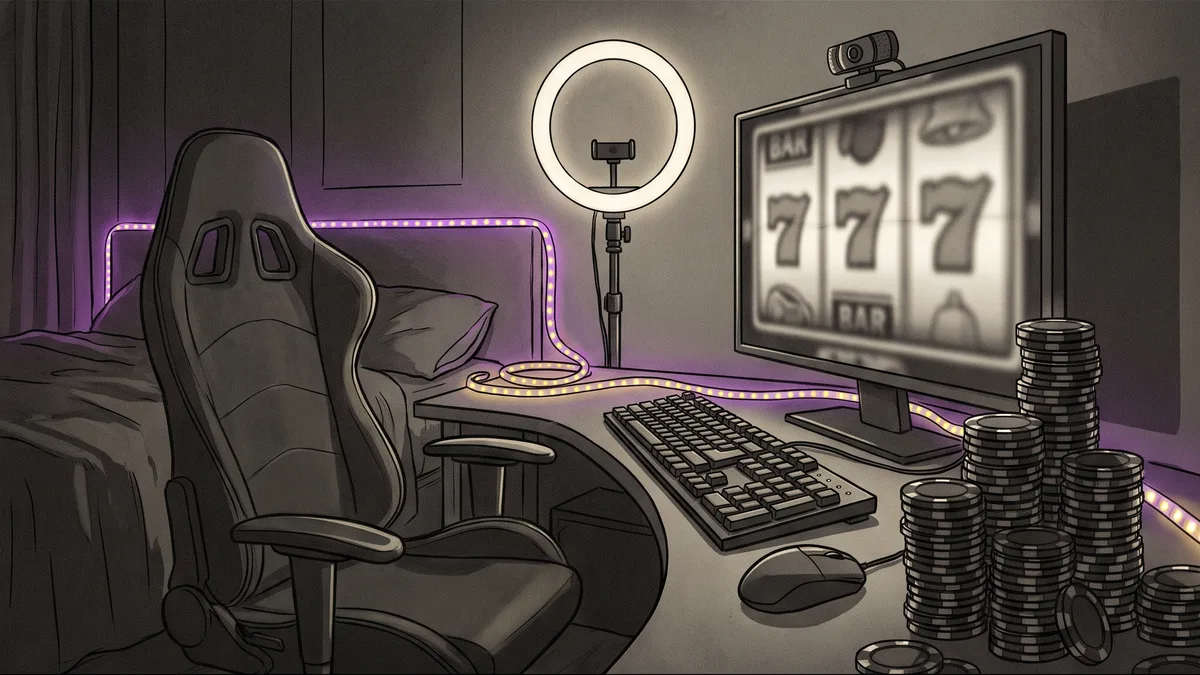
Here’s the first thing nobody says out loud. When a big streamer spins a slot for two hours and shrugs off a fifty thousand dollar loss like it’s nothing, it’s often because that loss cost him nothing. The top gambling streamers weren’t customers. They were paid, enormous sums, to play on camera, sometimes with balances the casino itself topped up.
How enormous? One of the biggest names in the scene admitted that gambling sponsors paid him around three hundred and sixty million dollars over sixteen months of streaming. That’s not a typo. Now picture a nineteen year old watching that man laugh off a huge loss and thinking the game must be beatable. He can’t see that the streamer is being paid a fortune to look relaxed, and that the “losses” on screen are a marketing cost, not a real wound. You’d be calm too if losing was your salary.
CSGO Lotto: they owned the site they were selling you
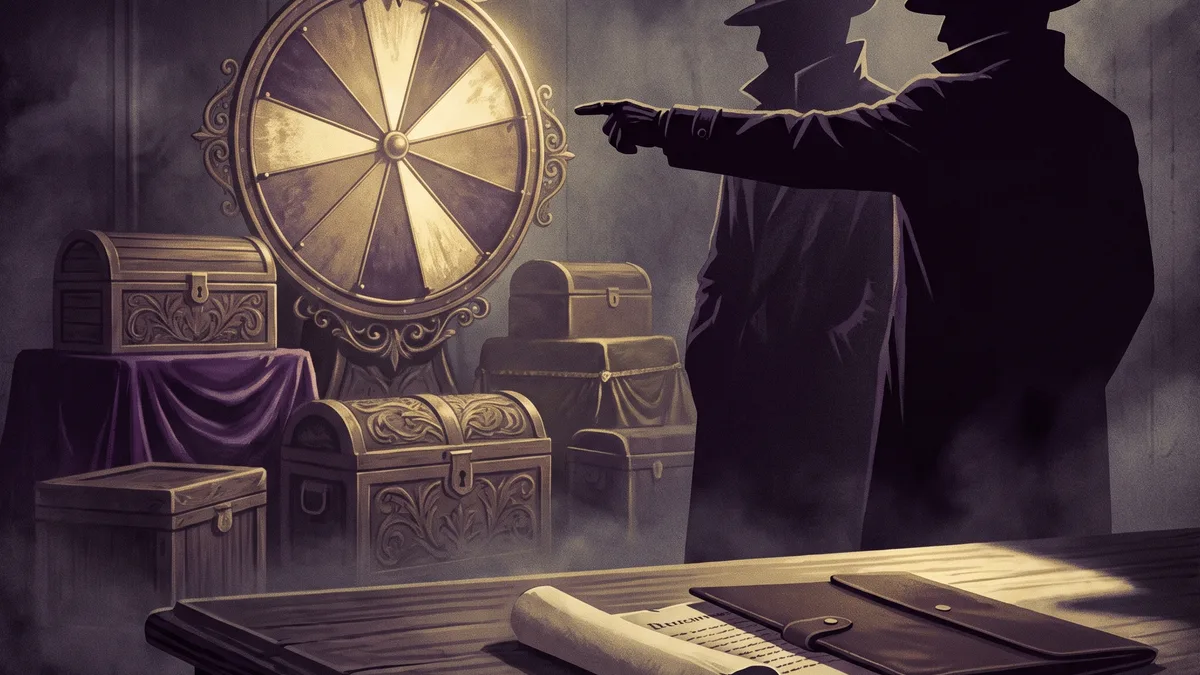
This one is my favourite, because it’s the mask slipping all the way off. Back in the video-game skin gambling craze, two hugely popular influencers made videos hyping a betting site called CSGO Lotto, filming themselves winning big and telling their young fans to go try it. What they forgot to mention was a small detail. They owned the site. The wins you were watching were the house cheering for itself.
American regulators noticed. In 2017 the Federal Trade Commission settled charges against the pair, its first ever action against individual social media influencers, for failing to disclose that they controlled the very company they were promoting. It set the template for every “paid partnership” tag you see today. The lesson took, but only after a generation of kids had already emptied their allowances into a wheel the presenters secretly ran.
The Sliker scam and the human bill
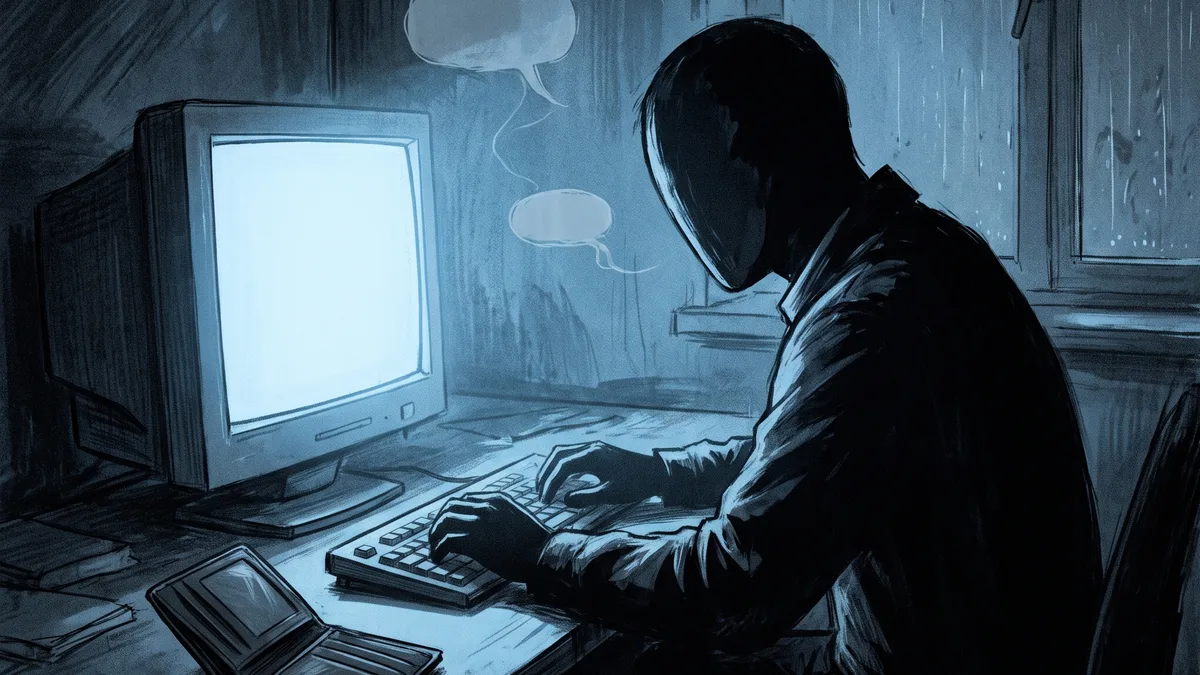
Then there’s the side of this that isn’t slick at all. In 2023 a well-liked streamer known as Sliker was caught quietly borrowing money from his own viewers and fellow streamers, thousands here, tens of thousands there, on the promise he’d pay it back. He didn’t. When the dam broke, the total ran past three hundred thousand dollars, and the reason came out in a tearful live confession. He’d gambled all of it away on the very sites the streaming world had spent years making look fun.
That’s the part the highlight reels leave out. Behind the confetti and the big-win clips sits a real addiction machine, and it doesn’t only chew up the viewers. It got the entertainers too. Sliker wasn’t a villain in a movie. He was a young man with a sickness the whole industry had been feeding for profit.
The ban that moved the circus instead of closing it
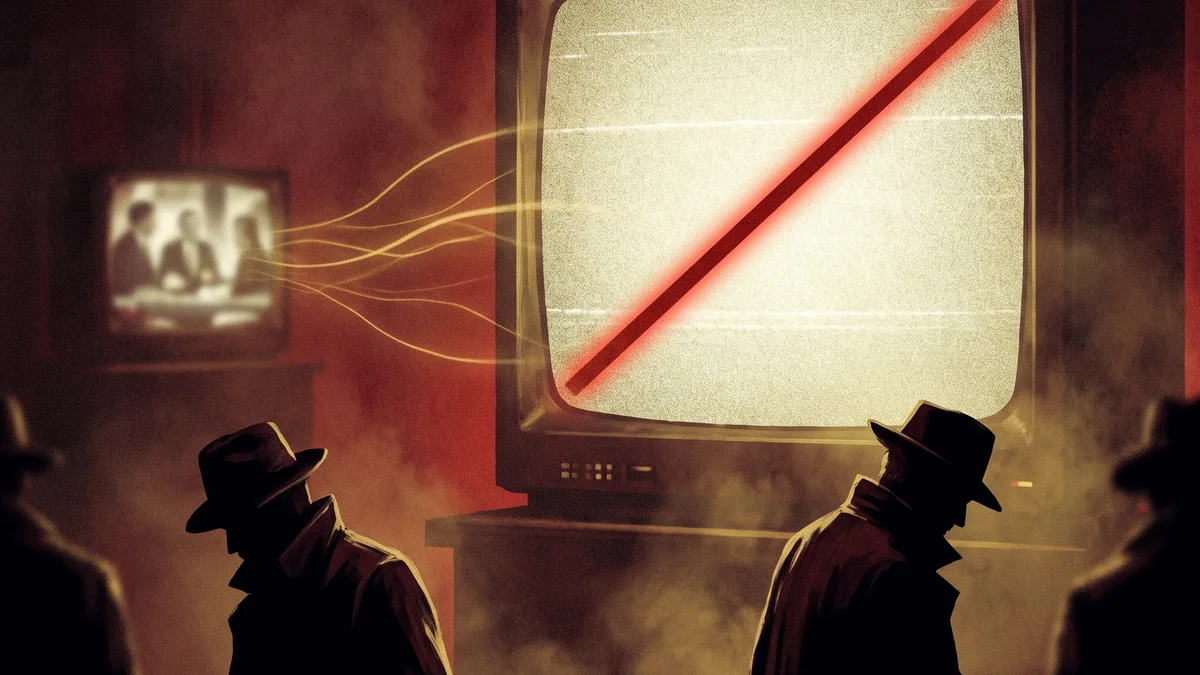
The Sliker mess lit a fuse. Big streamers threatened to walk, viewers revolted, and in late 2022 the biggest streaming platform finally banned the unlicensed offshore gambling sites, naming the crypto casinos that had been sponsoring half the scene. For a moment it looked like the grownups had shown up.
Except the circus didn’t close. It just packed up and moved to newer platforms with looser rules, some of them tied to the very gambling companies that got banned in the first place. The sponsorships kept flowing, the streams kept rolling, and the audience of impressionable kids came right along. When the money is this big, a ban is a speed bump, not a wall.
How to watch without getting played
So here’s Chip’s honest take, and if you take one thing from an old man who’s seen every version of this, take this. A gambling stream is not entertainment with a side of gambling. It is an advertisement, top to bottom, and the friendlier it feels the better it’s working. When somebody is paid millions to make losing look painless, you are not the audience. You are the mark.
None of this means you can’t enjoy a stream. It means you watch it like an ad, because that’s what it is. Assume the balance isn’t real, assume the “big win” was bought and paid for, and never, ever chase what you saw on screen with money you actually need. If you want to understand what’s really stacked against you before you ever deposit, read how the house edge quietly works, and learn to spot a scam site before it spots you. And if the fun ever turns into a need, help is free and always there: call or text the National Problem Gambling Helpline at 1-800-MY-RESET, or read our guide to staying in control. The streamer gets paid either way. You should not be the one footing the bill.